.svg)
.svg)
.svg)


%202.svg)
From Flat Membranes to Metal Panels: A Guide to Spotting Commercial Roof Wear
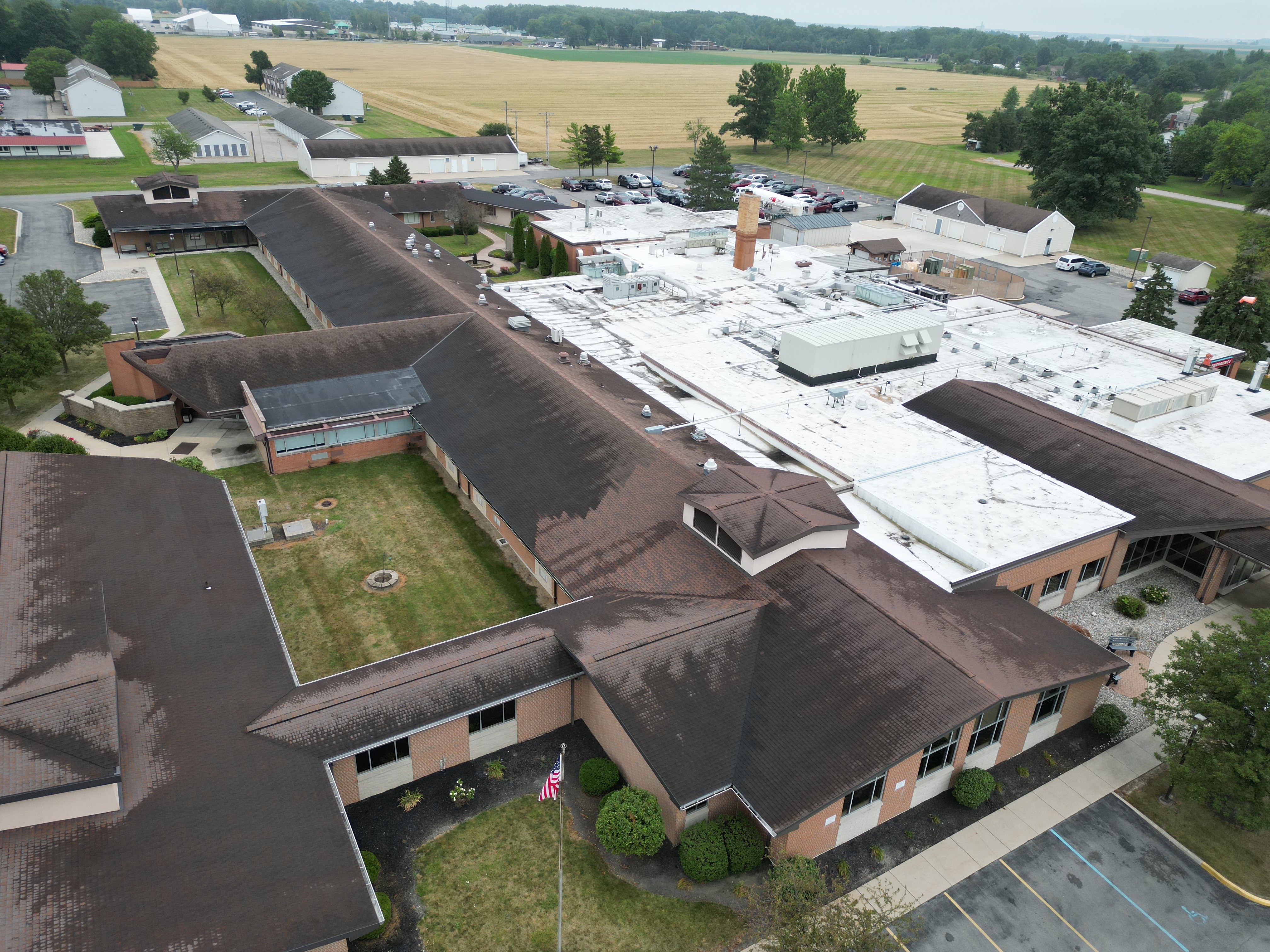
If you’re like most property managers we work with, your roof is probably the last thing on your mind until a ceiling tile starts sagging. It’s a massive asset, but because it’s tucked away out of sight, it is easy to let it run on autopilot.
The reality is that different materials from flat membranes to metal panels age in very different ways. This guide is designed to give you a simple visual baseline for your next walk-over. It will help you tell the difference between a roof that is just showing its age and one that is actually calling for a professional set of eyes.
Flat & Low-Slope Systems
Flat roofing systems like TPO, EPDM, and PVC are built to handle a lot, but they rely entirely on the integrity of their seams and transitions. Since these roofs have to hold or slowly move water toward drains, even a small opening can quickly turn into a significant issue.
Checking the Seams
The seams are where most flat roof problems begin. Over time, the natural movement of a building can put pressure on these points. Look for "tenting" or "bridging" where the membrane looks like it is pulling away from the surface or lifting at the edges where the roof meets a wall. If you see a seam starting to gap or peel, that is a clear sign that the watertight seal is compromised.
The 48-Hour Rule for Water
It is normal to see some water after a heavy rain, but it should be gone within 48 hours. If you have standing "ponds" on the roof long after a storm, that is a red flag. These pools act like a magnifying glass for UV rays, which causes the membrane underneath to become brittle and break down faster than the rest of the roof. In the winter, that water freezes and expands, which can pull at the flashings and drains.
Metal Roofing: Hardware and Movement
Metal roofing is often chosen for its longevity, but its greatest strength is also its biggest challenge: it moves. Because metal panels expand and contract significantly with temperature changes, the signs of wear are usually found in the hardware and the transition points rather than the panels themselves.
Fastener Back-out
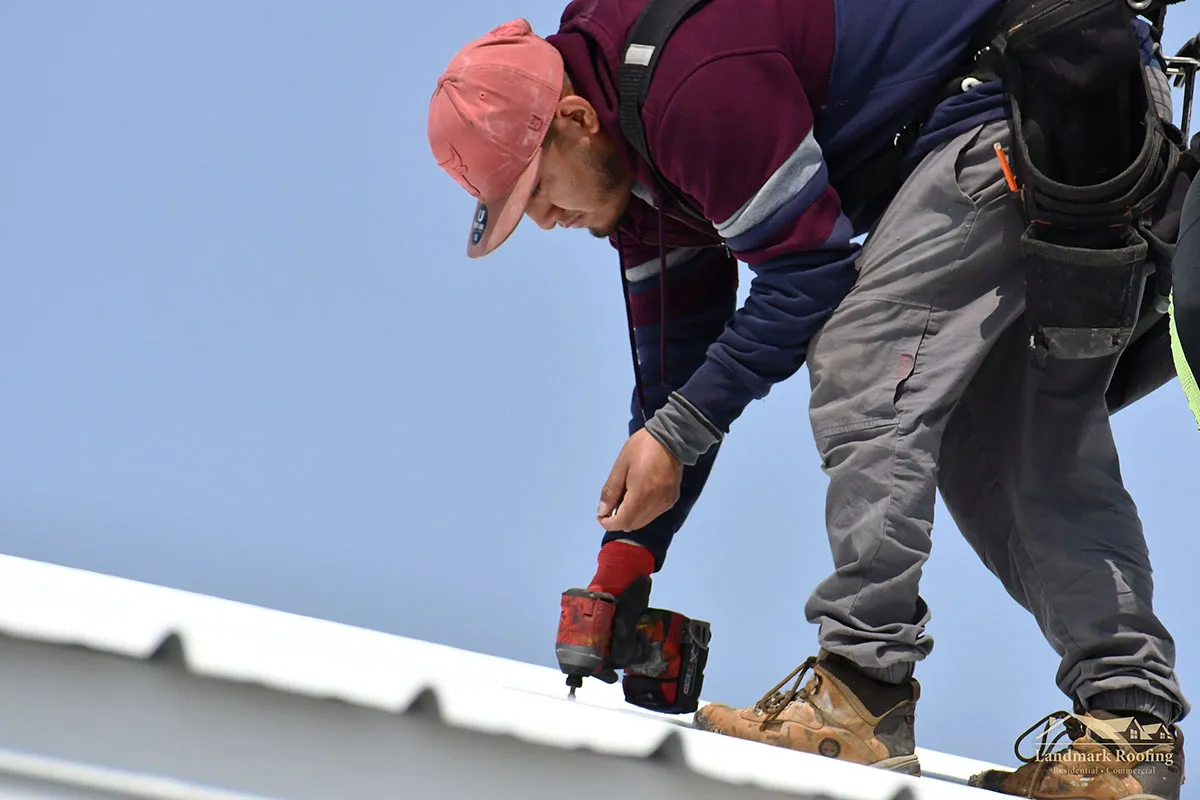
If you look across a metal roof and see what looks like a stray screw or a raised bump, you’re likely seeing fastener back-out. This happens when the constant "breathing" of the panels eventually unscrews the fasteners. Once a screw is no longer flush, the rubber washer underneath can no longer do its job, creating a direct path for water to enter the building.
The "Z-Trim" and Flashing Gaps
The areas where the metal panels meet a wall, a chimney, or a gutter are the most vulnerable. These transitions rely on flashing and sealants to stay watertight. During your walk-over, look for gaps where the metal has pulled away from the sealant or where the "Z-trim" (the flashing that closes off the ribs of the panel) has become loose. If these components aren't tight, wind-driven rain can get pushed up and under the panels.
Oxidation vs. Structural Rust
It’s important to know what you are looking at when you see discoloration. Surface oxidation or fading is often just a cosmetic issue with the paint finish. However, if you see "bubbling" under the paint or actual pitting in the metal, that is structural rust. This usually starts at the cut edges of the panels or where debris has been allowed to sit and hold moisture against the surface.
Shingle Systems: Protection and Ventilation
Commercial shingle roofs are common on office complexes and multifamily properties. While they are designed to shed water quickly, their lifespan is almost entirely dependent on how well the shingles are protected from the sun and how well the building breathes underneath them.
Granule Loss
The colored granules on a shingle aren't just for aesthetics. They are a layer of armor that protects the asphalt from UV rays. If you start to see what looks like dark sand piling up in your gutters or bald spots on the shingles where the black asphalt is exposed, the roof has lost its protection. Once those granules are gone, the shingles will become brittle and crack very quickly.
Curling and Blistering
When shingles begin to curl upward at the edges or show small bubbles (blistering) on the surface, it’s often a sign of a ventilation problem. If the attic space or the decking underneath isn't getting enough airflow, the shingles effectively "cook" from the inside out. This makes the material fragile and prone to blowing off during a storm.
High-Traffic Valleys
The valleys are the areas where two roof slopes meet and channel the most water. Because of the volume of water moving through these sections, they are often the first place to show wear. Look for shingles that have been "scrubbed" clean of their granules or any signs of lifting in these channels.
The Impact of the Freeze-Thaw Cycle
In the Midwest, the transition between seasons is often harder on a roof than the peak of summer or the dead of winter. The constant swing in temperature creates a "pump" effect that can turn a minor surface issue into a structural leak in a matter of weeks.
How Pinhole Leaks Expand
Water is one of the few substances that expands when it freezes. If a seam has a tiny pinhole or a piece of flashing has a small gap, water will find its way in during a warm afternoon. When the temperature drops that night, the water freezes and expands, physically prying the gap wider. This cycle happens dozens of times every spring and fall. A roof that was watertight in October can easily develop multiple entry points by April.
Ice Backups and Drainage
When snow melts and refreezes at cold gutters or internal drains, it creates a backup of standing water. This ice can force water higher up the roof or underneath flashings that were never intended to be submerged. During your walk-over, pay close attention to the areas around drains and scuppers to ensure they are clear of debris and ice buildup.
Planning for Predictable Performance
A quick walk-over is really about staying ahead of the building’s needs. Identifying a gapping seam or a loose fastener now keeps your maintenance costs predictable and lets you schedule repairs on your own terms. It is much easier to coordinate a fix on a clear Tuesday morning than it is to manage an emergency restoration in the middle of a storm.
If you’ve noticed something that looks off, a professional second opinion can clarify if you’re looking at a minor patch or a budget item for next year. We can provide a photo-documented condition report to give you an objective view of the roof's health. If you want a baseline for your records or just an honest assessment of a specific area, feel free to reach out. We’re happy to help you get a better handle on where your roof stands.

.avif)


